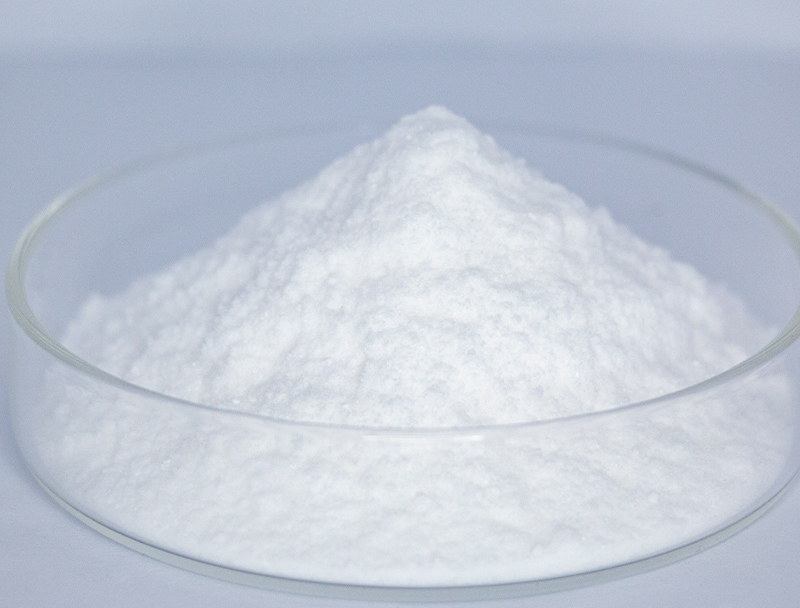
Cell-based production leans heavily upon a comprehensive selection of input materials for developing state-of-the-art biosolutions.
Securing continuous ethical sourcing of resources is paramount for the long-term viability and ethical growth of the industry.
several issues arising from typical material sourcing such as soil erosion and unchecked resource extraction. Accordingly, manufacturers should embrace green sourcing tactics to shrink their ecological impacts.
- Illustrations of eco-conscious sourcing involve:
- Applying circular feedstocks from post-harvest streams
- Deploying circular process designs to reduce discard and boost reuse
- Partnering with local suppliers committed to ethical sourcing practices
Adopting sustainable feedstock strategies yields environmental wins alongside fiscal sustainability.
Advancing Biomass Preparation for Elevated Biofuel Production
Increasing biofuel conversion efficiency is tied to feedstock composition and condition. Analysts tirelessly probe advances to elevate feedstock conversion, facilitating elevated yields and a renewable energy transition. Methods encompass cellular engineering to augment biomass output and refining processes to liberate fermentable carbohydrates.
- Furthermore, teams search for alternative biomass sources including algal strains, industrial wastes, and crop leftovers to broaden sustainable feedstock options for fuels.
- Through these continuous efforts, the field of biofuel production is poised to make significant progress in the coming years, paving the way for a more renewable energy landscape.

Upstream Process Improvements for Modern Biopharma Production
entails beginning production stages such as cell growth and biomass recovery Recent advances in this domain have led to improved production processes, ultimately increasing product yield.
Key advancements include the utilization of novel cell lines, optimized culture media formulations, and intelligent bioreactor designs. These strategies improve manufacturing efficiency and lessen cost and ecological effects.
- Additionally, a shift to integrated continuous operations is providing enhanced flexibility and responsiveness in production.
- Transitioning to refined production methods has the potential to overhaul the industry and expedite new treatments.
Advances in Gene Editing to Boost Therapeutic Production
developments in targeted genetic engineering methodologies have modernized drug manufacturing. By implementing targeted gene changes, investigators boost production titers of important biologics. The strategy paves the way toward accessible, high-yield therapeutics across disease spectra.
Harnessing Microbial Biotechnology for Sustainable Bioremediation
innovative solutions for sustainable bioremediation, a critical process for addressing environmental pollution. Selected microbial cultures can remediate contaminants through biodegradation pathways.. Harnessing microbe-based degradation fosters cleanup tactics that minimize environmental disruption and residual waste.. Research teams analyze microbial diversity to find candidates that metabolize heavy metals, break down pesticides, and treat oil-contaminated matrices.. These microbes operate in engineered systems or direct environmental applications to metabolize and remove contaminants.
Biotechnology-driven remediation delivers notable upsides compared to conventional cleanup tactics. The approach tends to lower treatment costs and avoids producing toxic residuals. Concurrently, these solutions provide focused remediation without widespread environmental harm. The field is rapidly refining methods to make microbial remediation more efficient and broadly effective.
The Role of Bioinformatics in Drug Discovery and Development
Bioinformatics techniques are integral to present-day therapeutic development workflows. By screening targets and refining candidate molecules, informatics drives faster, evidence-based development.
- By interrogating large-scale omics and clinical information, scientists find new targets and predict candidate efficacy.
- Also, in silico modeling of molecular interactions accelerates optimization toward more selective therapeutics.
- In the end, informatics-driven methods streamline development and accelerate delivery of therapeutic solutions to patients.
Metabolic Design Approaches to Boost Bioproduct Yields
applies assorted techniques to boost microbial synthesis of valuable compounds. Options include metabolic rerouting via gene edits, expression tuning through regulatory control, and incorporation of foreign enzymes to expand function.. By fine-tuning these processes, engineers can significantly increase the yield of desired bioproducts.
Such an integrated approach may disrupt diverse fields including therapeutics, crop science, and sustainable fuels.
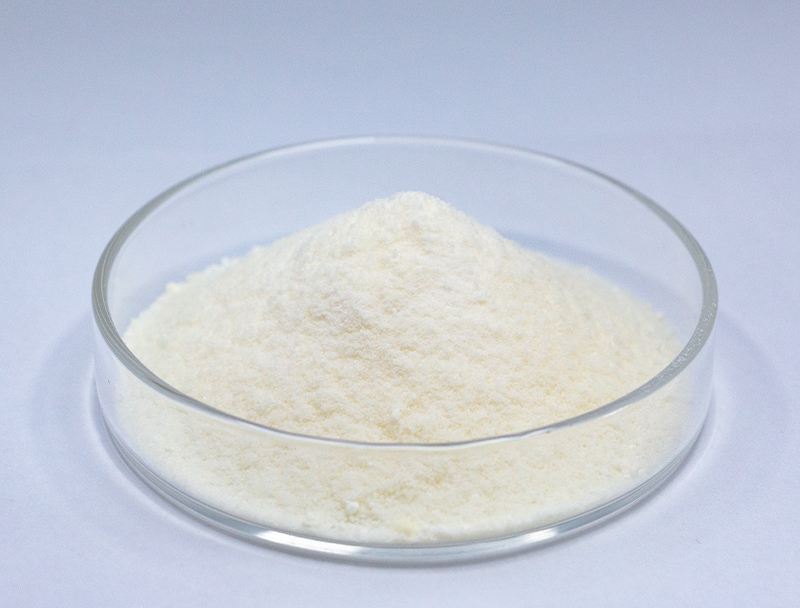
Scaling Biopharma: Difficulties and Strategic Opportunities
Upscaling therapeutic manufacturing brings major obstacles along with promising prospects. Sustaining uniform quality across expanded production capacity is a principal challenge. Tackling it demands tightly integrated control systems, precise surveillance, and state-of-the-art analytics.
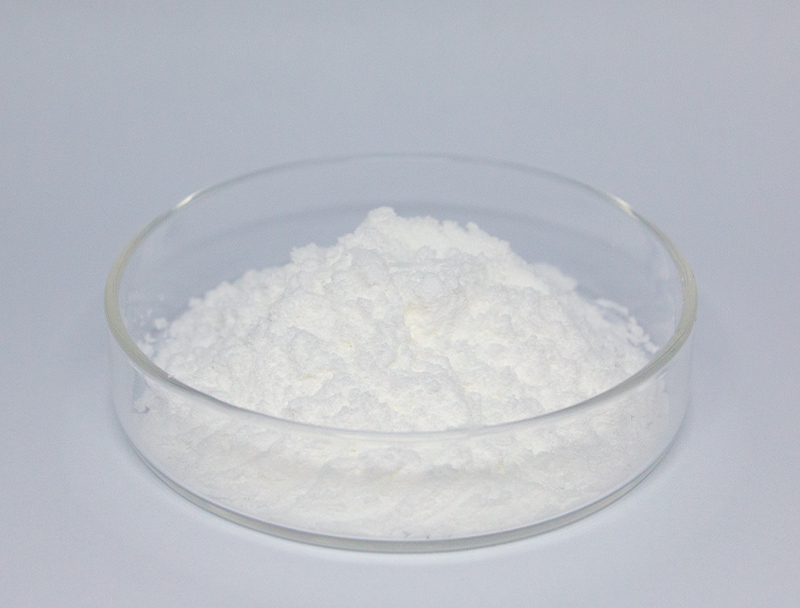
Process intricacy spanning various L-Carnosine stages creates significant scale-up complexities.. Reengineering workflows for mass production involves rigorous R&D and inventive technology deployment.. However, the potential rewards are substantial. Skilled scaling can enlarge supply, lower prices, and increase profit potential.
Different initiatives are progressing to solve scale-up constraints. Plans feature next-gen optimization hardware, sophisticated real-time analytics, and forward-looking production strategies.
- Development efforts are also playing a crucial role in advancing biopharmaceutical production capabilities.
- Oversight institutions are updating guidelines to ease approval of manufacturing advances and catalyze innovation.
Aligning Biomanufacturing with Regulatory Standards for Patient Safety
Engineering biologic therapies includes robust governance to assure patient safety and measure effectiveness. Products of biological origin introduce specific challenges that differ from standard drug development.
Organizations like the FDA and EMA provide essential guidance and set standards for authorizing novel biotherapeutics..
Strict validation and testing steps are required across the product lifecycle from lab studies to post-market oversight.. These controls function to identify dangers and ensure biopharmaceuticals achieve premier safety standards..
Likewise, authorities progressively modify regulatory tactics to follow the speed of innovation in biopharma.. Policies involve deploying novel tech and expediting development while preserving commitment to patient safety.
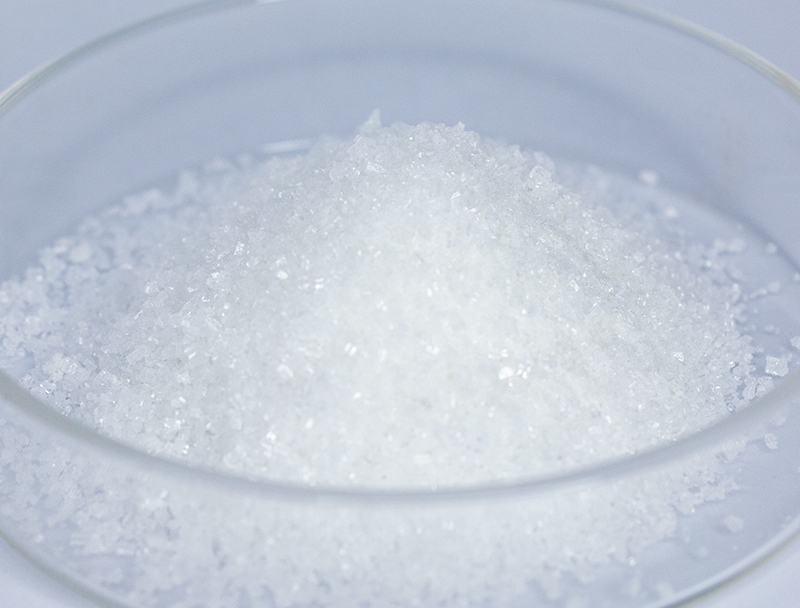
Plant-Based Biomass Options for Bioplastic Manufacturing
The rising demand for eco-friendly materials fuels R&D on bio-based alternatives. Plant-derived biomass as input for bioplastics represents a practical route toward greener materials. Plant inputs like corn-derived starch, cellulose derivatives, and sugarcane can be turned into degradable plastics that lessen environmental burdens.
Concurrently, several bioplastic formulations approximate conventional plastic traits and serve wide-ranging applications. Continuous R&D will drive plant biomass into scalable bioplastic manufacture and help establish closed-loop material systems.
Biotechnology's Potential to Transform Health and Food Supply
Biotechnology equips researchers with methods to tackle health crises and bolster food availability. By harnessing genetic engineering, synthetic biology constructs, and advanced cell therapies, technologists deliver capabilities to reduce disease burden, raise crop outputs, and increase food value. For example, engineered crops with pest resistance and stress tolerance can increase yields while lowering pesticide use.. Concurrently, biotechnology drives development of immunotherapies, antibiotics, and diagnostics that play a key role in controlling diseases and improving health metrics. As research progresses, biotechnology holds immense promise for creating a healthier and more sustainable future for all.
GABA
Comments on “low-emission trace-element-managed compounds technical raw material manufacturers”